


What Is K2 Paper (Jail Paper) and How Is It Smuggled Into Prisons?

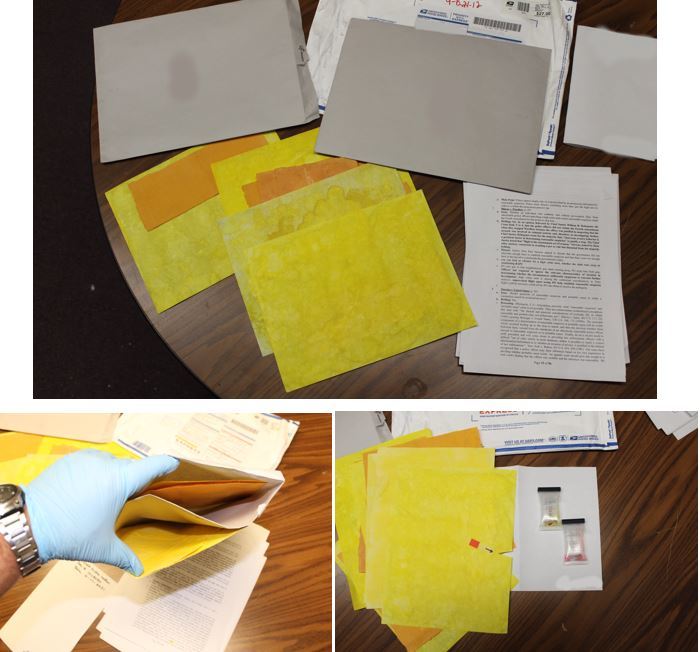
The emergence of K2 paper in correctional facilities represents one of the most challenging contraband threats facing prison administrators today. This synthetic drug delivery method has fundamentally changed the landscape of institutional security, creating unprecedented difficulties for detection and prevention.
Understanding what is K2 paper, how it enters prisons, and the dangers it poses is essential for correctional professionals, policymakers, and the public.
What Is K2 Paper?
K2 paper, commonly referred to as jail paper or Spice paper, is ordinary paper that has been saturated with synthetic cannabinoids. To understand what is K2 paper is, it’s important first to understand the substance itself. K2 and Spice are street names for synthetic cannabinoids, laboratory-created chemicals designed to mimic the psychoactive effects of THC, the active compound in marijuana.
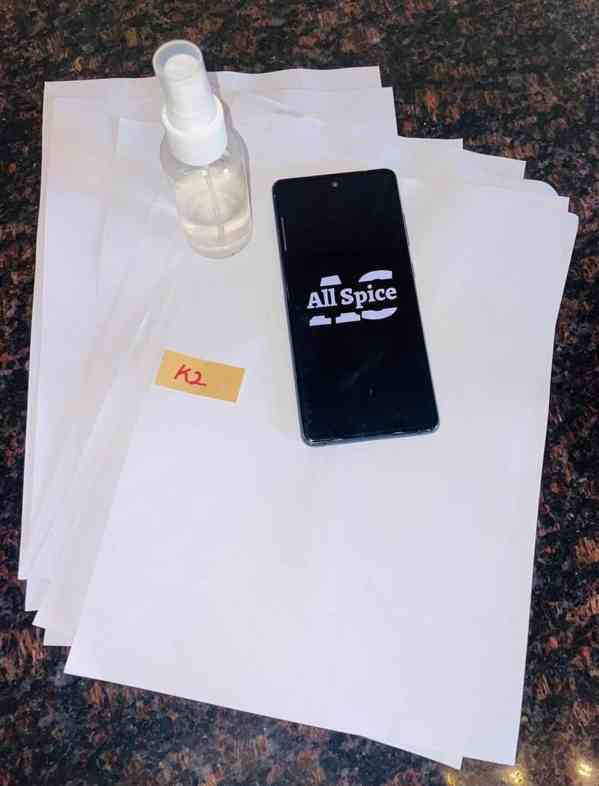
What is K2 paper in practical terms? It’s a delivery mechanism. The synthetic cannabinoid liquid is applied to paper through spraying, soaking, or painting. Once the paper dries, it appears virtually indistinguishable from regular paper.
The treated paper can then be torn into small pieces and smoked, with each fragment containing enough synthetic cannabinoid to produce powerful psychoactive effects.
The terminology surrounding this contraband varies. “Jail paper” and “Spice paper in prisons” refer to the same product, synthetic cannabinoid soaked paper specifically prepared for smuggling into correctional environments.
Understanding what is K2 paper requires recognizing that it can be applied to letters, greeting cards, children’s drawings, legal documents, or any paper-based material.
The chemical composition of what is K2 paper constantly evolves. Manufacturers frequently alter the molecular structure of synthetic cannabinoids to evade detection and circumvent drug scheduling laws. This means that what is K2 paper today may contain different compounds than what was seized last month, making consistent detection extraordinarily difficult.
Why Synthetic Cannabinoids Are Popular in Prisons
To fully grasp what is K2 paper is and why it has become so prevalent, one must understand the unique advantages it offers within the prison environment. Several factors contribute to the popularity of synthetic cannabinoid soaked paper in correctional facilities.
Extreme Potency: What is K2 paper’s primary appeal? Its potency. Synthetic cannabinoids can be 100 times more potent than natural THC. A single sheet of paper can contain dozens of doses, making it highly valuable and easy to distribute among inmates.
Minimal Quantity Required: Because of this potency, understanding what is K2 paper means recognizing that very small amounts produce significant effects. A piece of paper the size of a postage stamp can intoxicate multiple users, making concealment remarkably simple.
Detection Challenges: What is K2 paper’s greatest advantage from a smuggling perspective? It’s nearly impossible to detect through visual inspection. The treated paper looks, feels, and smells like ordinary paper. Standard drug-sniffing dogs are not consistently trained to detect the constantly changing chemical compounds in synthetic cannabinoids.
High Demand and Profitability: The restricted environment of prisons creates artificial scarcity and inflated prices. According to recent data from the Oklahoma Department of Corrections, 27 pounds of K2 seized in 2025 had an estimated prison value of $2,755,573. This represents roughly 500 to 2,700 sheets with approximately 93 dosage units per letter-sized sheet.
Evasion of Traditional Drug Tests: Many synthetic cannabinoids don’t appear on standard drug screening panels, though this is changing as testing technology advances. This perceived ability to avoid detection makes what is K2 paper particularly attractive to inmates subject to regular drug testing.
General Methods of Smuggling Into Prisons
Understanding what is K2 paper is incomplete without examining how it enters correctional facilities. Prison drug smuggling methods have evolved significantly, with K2 jail paper explained as one of the most difficult contraband types to intercept. The following represents a high-level overview of smuggling vectors without providing operational details that could facilitate illegal activity.
Inmate Mail Systems
The most common entry point for what is K2 paper is through the mail system. Letters, greeting cards, legal correspondence, and other paper materials can all serve as carriers. The synthetic cannabinoid may be applied to:
- Personal letters from family or friends
- Greeting cards for holidays or birthdays
- Children’s drawings or artwork
- Photocopies of documents
- Magazine or newspaper clippings
How drugs enter correctional facilities through the mail has become such a significant concern that many prison systems have implemented radical policy changes. Digital mail programs, where incoming correspondence is scanned and provided to inmates electronically, have been adopted specifically to combat K2 in inmate mail.
Third-Party Mail Services
Some smuggling operations use commercial mail services or forwarding addresses to obscure the true origin of contraband. These methods attempt to make K2 jail paper appear as legitimate business or legal correspondence, which often receives less scrutiny.
Visitation-Related Concealment
While less common for paper-based contraband, visitation periods can still serve as transfer points. What is K2 paper’s advantage here is its flexibility; it can be folded into extremely small packages or concealed within other paper items exchanged during visits.
Corrupt Staff Involvement
Though representing a small percentage of cases, staff corruption remains a vector for how drugs enter correctional facilities. In 2025, the Oklahoma Department of Corrections arrested 14 staff members for attempting to introduce contraband. When staff members are involved, detection becomes exponentially more difficult.
Concealment Within Legal Mail
Legal mail presents unique challenges because it often receives constitutional protections that limit how thoroughly it can be searched. Understanding what is K2 paper means means recognizing that smugglers exploit these protections by disguising contraband as legal correspondence.
Why Detection Is So Challenging
What is K2 paper’s most problematic characteristic from a security standpoint? Its near-invisibility to conventional detection methods. Several factors make identifying synthetic cannabinoid soaked paper extraordinarily difficult:
Lack of Distinctive Odor: Unlike marijuana or other drugs, most synthetic cannabinoids are odorless or have minimal scent that dissipates quickly after application. This renders drug-detection canines less effective.
Minimal Visual Indicators: What is K2 paper supposed to look like? Exactly like regular paper. There may be slight discoloration or stiffness in heavily saturated paper, but these indicators are subtle and inconsistent.
Constantly Evolving Chemical Formulations: The chemical composition of synthetic cannabinoids changes frequently. By the time detection technology is calibrated for one compound, manufacturers have already shifted to a different molecular structure.
Limitations of Field Testing: Standard drug field tests are not designed to detect the hundreds of synthetic cannabinoid variants. Even when tests exist, they may not identify newer formulations.
Volume of Mail: Correctional facilities process enormous volumes of incoming mail daily. Thoroughly examining every piece of paper for what is K2 paper would require resources far beyond what most institutions possess.
Legal and Privacy Constraints: Certain types of correspondence, particularly legal mail, have constitutional protections that limit how invasively they can be searched.
Health Risks of K2 Paper Use
Understanding what is K2 paper requires confronting the severe health consequences associated with synthetic cannabinoid use. The jail paper drug risks far exceed those of natural marijuana, with potentially life-threatening complications occurring even in first-time users.
Unpredictable Potency: What is K2 paper’s most dangerous characteristic? The impossibility of knowing the dose. Unlike pharmaceutical drugs with standardized concentrations, synthetic cannabinoid soaked paper has wildly variable potency. One piece might produce mild effects while an identically sized piece causes severe toxicity.
Severe Psychological Effects: Users of what is K2 paper commonly experience:
- Extreme agitation or paranoia
- Vivid and terrifying hallucinations
- Acute psychotic episodes
- Violent or self-destructive behavior
- Profound confusion and disorientation
Neurological Complications: Synthetic cannabinoids in prisons have been linked to:
- Seizures, including status epilepticus (prolonged seizure activity)
- Stroke, even in young individuals without risk factors
- Persistent cognitive impairment
- Movement disorders
Cardiovascular Dangers: What is K2 paper doing to users’ hearts? Causing serious complications, including:
- Rapid or irregular heartbeat
- Dangerously elevated blood pressure
- Heart attacks in otherwise healthy individuals
- Sudden cardiac death
Kidney Damage: Multiple outbreaks have documented acute kidney injury associated with specific synthetic cannabinoid formulations, sometimes requiring dialysis.
Overdose and Death: The jail paper drug risks include fatal overdose. The unpredictable nature of what is K2 paper means users cannot gauge safe dosing, and the potency of synthetic cannabinoids makes overdose frighteningly easy.
Unlike natural cannabis, which has never been definitively linked to fatal overdose, synthetic cannabinoids have caused numerous deaths. The medical emergencies created by what is K2 paper place enormous strain on prison healthcare systems, often already operating at capacity.
Institutional Impact
The presence of what is K2 paper creates cascading problems throughout correctional facilities, affecting safety, operations, and resource allocation.
Increased Violence and Behavioral Incidents: Synthetic cannabinoids in prisons fuel violent behavior. Users experiencing psychotic episodes, paranoia, or extreme agitation may attack staff or other inmates. The unpredictable psychological effects of what is K2 paper make facilities more dangerous for everyone.
Medical System Strain: Prison healthcare systems face overwhelming demands when dealing with K2-related emergencies. Medical staff must respond to:
- Multiple simultaneous overdoses during mass exposure events
- Seizures requiring emergency intervention
- Psychiatric crises necessitating isolation and monitoring
- Extended hospitalizations for severe complications
Operational Disruptions: What is K2 paper’s impact on daily operations? Significant. Facilities may implement:
- Emergency lockdowns when overdoses occur
- Extensive searches disrupt programming and activities
- Quarantine protocols when contaminated areas are identified
- Investigations consume substantial staff time
South Dakota prisons, for example, have experienced lockdowns lasting more than a month due to drug-related incidents. During lockdowns, inmates remain confined to cells, unable to participate in work, education, or rehabilitation programs.
Staff Safety Risks: Correctional officers face exposure risks when handling what is K2 paper. Some synthetic cannabinoids can be absorbed through skin contact or inhalation, potentially causing officers to experience symptoms. Staff have required medical treatment after inadvertent exposure during searches or emergency responses.
Undermining Rehabilitation: The presence of synthetic cannabinoid soaked paper undermines rehabilitation efforts. Inmates struggling with addiction cannot recover in an environment where drugs remain readily available. Programming and treatment become ineffective when participants are intoxicated.
Legal Consequences
The legal ramifications of involvement with what is K2 paper are severe, affecting inmates, outside accomplices, and occasionally correctional staff.
Criminal Charges for Inmates: Inmates caught with K2 jail paper face:
- Internal disciplinary action, including loss of privileges
- Extended time in restrictive housing
- Additional criminal charges for possession of contraband
- Potential sentence enhancements affecting parole eligibility
Trafficking Charges: Those who smuggle what is K2 paper into facilities face serious felony charges. Depending on jurisdiction and quantity, penalties may include:
- Federal charges if crossing state lines or using the mail systems
- State charges for introducing contraband into correctional facilities
- Enhanced penalties for organized trafficking operations
- Lengthy prison sentences, often measured in years or decades
Consequences for Outside Accomplices: Family members or friends who send K2 in inmate mail can be prosecuted. In 2025, the Oklahoma Department of Corrections arrested 42 visitors who attempted to smuggle contraband during inmate visits. These individuals face criminal records, incarceration, and permanent bans from visiting correctional facilities.
Staff Corruption Charges: Correctional employees involved in smuggling what is K2 paper face particularly severe consequences:
- Immediate termination
- Criminal prosecution with enhanced penalties due to the position of trust
- Loss of law enforcement certification
- Potential federal charges under corruption statutes
Civil Liability: When overdoses, injuries, or deaths result from what is K2 paper, facilities and staff may face civil litigation. Families of victims may sue for negligence, inadequate security, or failure to provide medical care.
Prevention and Security Measures
Correctional institutions have implemented various strategies to combat the influx of what is K2 paper, with varying degrees of success.
Digital and Photocopy Mail Programs: The most effective intervention has been eliminating physical mail. Under these programs:
- All incoming mail is received at an off-site facility
- Correspondence is scanned or photocopied
- Digital or photocopied versions are provided to inmates
- Original mail is stored or destroyed
The Oklahoma Department of Corrections introduced digital mail in September 2024, which officials described as “successful.” By September 2025, all outside paper products will be banned across facilities to prevent the entry of what is K2 paper.
Advanced Screening Technologies: Facilities are investing in detection equipment, including:
- Ion mobility spectrometry devices that can identify trace chemical residues
- Specialized scanners designed to detect synthetic cannabinoids
- Enhanced X-ray systems for package screening
- Chemical reagent tests for suspicious materials
Staff Training and Awareness: Educating personnel about what is K2 paper is and how to identify it remains crucial. Training covers:
- Recognition of suspicious mail or paper items
- Safe handling procedures to prevent exposure
- Indicators of synthetic cannabinoid intoxication
- Emergency response protocols for overdoses
Intelligence-Led Investigations: Proactive investigation of trafficking networks helps intercept what is K2 paper before it enters facilities. This includes:
- Monitoring inmate communications for smuggling arrangements
- Collaborating with outside law enforcement
- Tracking patterns in mail sources
- Investigating staff for potential corruption
Policy Reforms: Administrative changes targeting how drugs enter correctional facilities include:
- Restrictions on paper-based items that inmates can receive
- Enhanced scrutiny of legal mail while respecting constitutional protections
- Limits on physical contact during visitation
- Increased consequences for contraband possession
Treatment and Programming: Addressing demand by providing robust addiction treatment reduces the market for what is K2 paper. Comprehensive programming includes:
- Evidence-based substance abuse treatment
- Mental health services addressing underlying trauma
- Peer support groups
- Medication-assisted treatment, where appropriate
Broader Public Safety Concerns
What is K2 paper’s significance beyond prison walls? It represents a connection between institutional contraband networks and community-level drug distribution.
Supply Chain Links: The synthetic cannabinoids used to create what is K2 paper originate from the same supply chains serving street-level drug markets. Disrupting prison smuggling operations can provide intelligence about broader trafficking networks.
Community Distribution Networks: Individuals who smuggle K2 jail paper into prisons are often involved in drug distribution outside correctional facilities. Arrests and investigations of these smugglers can impact community drug availability.
Public Health Implications: Synthetic cannabinoids in prisons reflect their availability in communities. Outbreaks of overdoses or adverse reactions inside facilities often parallel similar events in the general population, serving as an early warning system for dangerous formulations circulating publicly.
Coordinated Response Necessity: Effectively addressing what is K2 paper requires coordination between:
- Correctional agencies
- Local, state, and federal law enforcement
- Public health departments
- Prosecutors and courts
- Community organizations
Legislative Considerations: Policymakers must balance security needs with rehabilitation goals, constitutional rights, and resource constraints. Decisions about mail policies, visitation rules, and treatment funding all impact the prevalence of what is K2 paper in correctional settings.
Conclusion
What is K2 paper? It is synthetic cannabinoid soaked paper that represents one of the most significant security and public health challenges facing correctional institutions today. The ease with which this contraband can be smuggled, the difficulty of detection, and the severe health consequences of use create a perfect storm of institutional vulnerability.
Understanding what is K2 paper, its composition, smuggling methods, health risks, and institutional impact is essential for everyone involved in corrections, criminal justice policy, and public safety. The jail paper drug risks extend beyond individual users to threaten the safety of entire facilities, strain medical resources, and undermine rehabilitation efforts.
Prison drug smuggling methods continue to evolve as traffickers adapt to new security measures. What is K2 paper today may be delivered through methods not yet imagined tomorrow. The constantly changing chemical formulations of synthetic cannabinoids ensure that detection will remain challenging even as technology advances.
Effective responses to what is K2 paper require multi-faceted approaches combining technology, policy reform, staff training, and robust treatment programming. Digital mail systems and paper product bans have shown promise, but must be balanced against maintaining family connections and access to legal resources that support successful reentry.
Ultimately, protecting inmate and staff safety must remain the paramount priority. As correctional administrators, policymakers, and security professionals continue developing strategies to combat synthetic cannabinoid soaked paper, ongoing vigilance, adaptation, and resource investment will be essential.
The challenge of what is K2 paper will not be solved quickly or easily, but through sustained, coordinated effort, its impact can be significantly reduced.
Frequently Asked Questions (FAQ)
What is K2 jail paper?
K2 jail paper is ordinary paper that has been saturated with synthetic cannabinoids (also called K2 or Spice). The paper is sprayed, soaked, or painted with liquid synthetic cannabinoids, then dried. It appears identical to regular paper but can be torn into pieces and smoked to produce powerful psychoactive effects. This delivery method has become popular in prisons because it’s extremely difficult to detect.
Why is Spice paper dangerous?
Spice paper is dangerous because synthetic cannabinoids are far more potent than natural marijuana and have unpredictable effects. Users can experience severe agitation, hallucinations, seizures, heart problems, kidney damage, and even death. The potency varies wildly between batches and even within the same sheet of paper, making it impossible to know what dose you’re receiving. Unlike natural cannabis, synthetic cannabinoids have caused numerous fatal overdoses.
How does K2 enter prisons?
K2 paper primarily enters prisons through the mail system. It can be applied to letters, greeting cards, children’s drawings, legal documents, or any paper-based material. Other smuggling methods include concealment during visitation, use of third-party mail services, and, occasionally, through corrupt staff members. The paper looks identical to regular paper, making detection extremely difficult without specialized equipment.
Can K2 paper be detected?
K2 paper is very difficult to detect. It typically has no distinctive odor, looks like regular paper, and the chemical compounds constantly change, making consistent detection challenging. Standard drug-sniffing dogs are not reliably trained to detect synthetic cannabinoids. Some facilities use advanced screening technologies like ion mobility spectrometry, but these are expensive and not universally available. Visual inspection alone cannot identify K2 paper.
What are the legal consequences of smuggling K2 into prison?
Smuggling K2 into prison carries serious legal consequences. Inmates caught with it face disciplinary action and additional criminal charges. Outside accomplices can be charged with felony trafficking of contraband into correctional facilities, potentially resulting in years of imprisonment. Family members who send K2-soaked paper through the mail can be prosecuted and permanently banned from visiting. Correctional staff involved in smuggling face enhanced penalties due to their position of trust.
How are prisons trying to stop K2 paper?
Prisons are implementing several strategies, including digital mail programs where all correspondence is scanned off-site and provided electronically, eliminating physical paper entirely. Many facilities have banned all outside paper products. Other measures include advanced screening technology, enhanced staff training, intelligence-led investigations of trafficking networks, and increased addiction treatment programming to reduce demand.
What happens during a K2 overdose in prison?
K2 overdoses in prison can cause seizures, loss of consciousness, violent behavior, severe agitation, and cardiac emergencies. Prison medical staff must respond immediately, often dealing with multiple simultaneous overdoses. Serious cases require hospitalization outside the facility. Overdoses frequently trigger facility-wide lockdowns, extensive searches, and investigations, disrupting operations for days or weeks.
Is K2 the same as marijuana?
No. While synthetic cannabinoids are designed to mimic marijuana’s effects, they are chemically different and far more dangerous. K2 is typically 100 times more potent than natural THC. Unlike marijuana, synthetic cannabinoids have caused numerous deaths and severe medical emergencies, including seizures, heart attacks, kidney failure, and psychotic episodes. The effects are unpredictable and potentially life-threatening.
Why do inmates use K2 despite the risks?
Inmates use K2 despite the risks due to addiction, limited access to other substances, boredom, mental health issues, and the perception that some synthetic cannabinoids evade drug testing. The extreme potency means small amounts produce strong effects. Many inmates arrive in prison already struggling with substance abuse disorders and continue using whatever is available, even when they know the dangers.
What is being done about K2 at the policy level?
Policymakers are addressing K2 through legislation, scheduling new synthetic cannabinoid compounds as controlled substances, funding for advanced detection technology, support for digital mail programs, increased penalties for contraband trafficking, and investment in prison-based addiction treatment. Some jurisdictions are exploring legal mail digitization while maintaining constitutional protections. Coordinated efforts between corrections, law enforcement, and public health agencies are being developed to address both supply and demand.