


Signs That Paper Might Be Laced with K2 or Spice: Visual and Physical Warning Clues

Can Drug Test Kits Detect K2 on Paper?
The growing concern about synthetic cannabinoids like K2 being applied to paper materials has raised critical questions for parents, educators, and workplace safety professionals. The question of whether drug test kits can detect K2 on paper has become increasingly urgent as these substances infiltrate schools, correctional facilities, and workplaces.
Understanding how drug test kits detect K2 on paper requires knowledge of both the complex chemistry of synthetic cannabinoids and the limitations of different testing methods.
K2, also known as Spice, represents a class of synthetic cannabinoids that pose unique detection challenges. Unlike traditional cannabis, these substances are constantly evolving, making reliable detection difficult. The application of K2 to paper materials has created new safety concerns, particularly in environments where paper items are commonly exchanged.
This guide examines whether can drug test kits detect K2 on paper effectively, comparing home testing capabilities with professional laboratory methods.
What Is K2 and Why Is It Applied to Paper?
Understanding Synthetic Cannabinoids
K2 synthetic cannabinoids represent a complex class of substances with significant variability in their chemical structure. Recent research has identified the emergence of “tail-less precursors” that can be converted into potent synthetic cannabinoid receptor agonists through simple synthesis processes. This development has complicated K2 drug test detection efforts and increased associated health risks.
The chemical properties of K2 compounds are particularly concerning due to their high potency compared to natural THC, presence of toxic solvents like dimethylformamide, variable concentration levels, and continuous evolution of chemical structures. These factors directly impact whether can drug test kits detect K2 on paper reliably.
Why Paper Serves as a Carrier
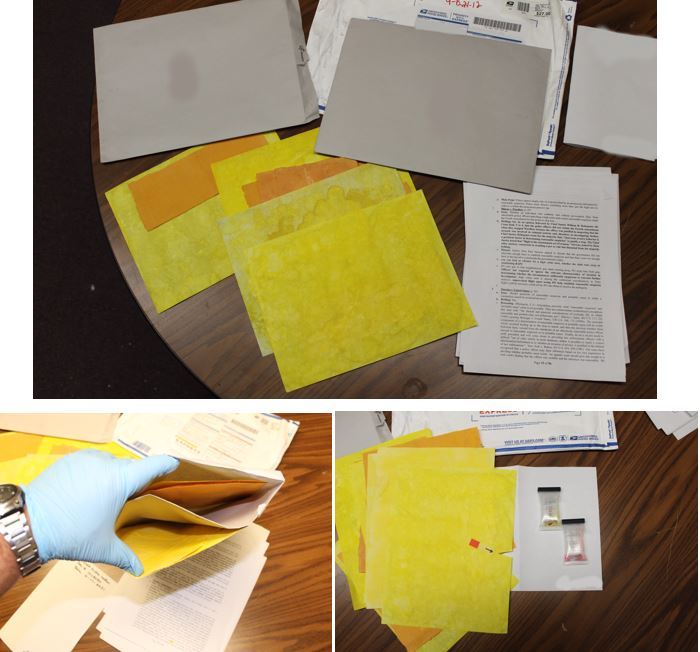
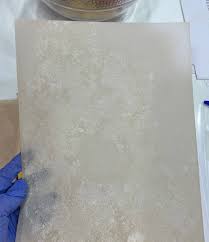
The application of synthetic cannabinoids to paper materials has become a significant concern, particularly in correctional facilities where advanced screening technologies like terahertz imaging have been implemented to combat this issue. Paper serves as an ideal carrier for K2 because it’s inconspicuous, easily transportable, and can absorb liquid solutions containing synthetic cannabinoids.
The process typically involves soaking paper materials in solutions containing K2, allowing the substance to dry and become virtually undetectable to casual observation. This method has made the question can K2 be detected on paper increasingly relevant for security professionals and educators.
The pyrolysis process during consumption generates additional toxic compounds, presenting further health risks beyond the original synthetic cannabinoid content.
Associated Risks and Concerns
The risks associated with K2-contaminated paper extend beyond the immediate effects of synthetic cannabinoid consumption. Handling contaminated materials can result in accidental exposure, and the presence of toxic solvents adds another layer of danger.
These safety considerations make understanding whether can drug test kits detect K2 on paper essential for developing appropriate safety protocols.
Understanding Synthetic Cannabinoid Drug Testing Challenges
Chemical Variability and Detection Complexity
Synthetic cannabinoid drug testing faces unique challenges that don’t exist with traditional substances. The rapid evolution of chemical formulas means that K2 drug test detection methods must constantly adapt to identify new compounds.
Unlike natural cannabis, which has consistent chemical markers, synthetic cannabinoids can vary dramatically in their molecular structure while maintaining similar psychoactive effects.
The lack of consistent metabolite markers makes synthetic cannabinoid drug testing particularly difficult. Traditional drug tests rely on identifying specific metabolites that the body produces when processing substances.
However, the constantly changing nature of K2 compounds means that standard tests may not recognize newer variants, affecting whether can drug test kits detect K2 on paper accurately.
Detection Window Variations
The detection window for synthetic cannabinoids varies significantly depending on the testing method used and the specific compound involved. This variability directly impacts the reliability of determining can drug test kits detect K2 on paper in different scenarios:
Hair Testing: Provides the longest detection window of 6-12 months but can be affected by hair treatments and may not detect recent use. For paper contamination scenarios, hair testing would only be relevant if someone had been exposed to K2 over an extended period.
Urine Testing: Offers a detection window of 1-3 days but shows variable effectiveness with synthetic cannabinoids. The question of whether can drug test kits detect K2 on paper becomes more complex when considering that urine tests may miss certain synthetic variants entirely.
Blood Testing: Provides high reliability but has a short detection window of hours to days. This method is most effective for recent exposure but may not be practical for routine screening of paper materials.
Saliva Testing: Offers detection up to 3 days but is less commonly used for synthetic cannabinoids. The effectiveness of saliva testing in determining can drug test kits detect K2 on paper depends on the specific compounds present and their concentration levels.
Home Drug Test Kits Synthetic Cannabinoids Detection Capabilities
Types of Home Testing Available
Home drug test kits synthetic cannabinoids detection capabilities vary significantly depending on the manufacturer and specific test design. Most consumer-grade tests are designed to detect traditional substances like THC, cocaine, and amphetamines, with limited capability for synthetic cannabinoid identification.
Understanding whether can drug test kits detect K2 on paper requires examining what these home kits are actually designed to detect.
Standard home drug test kits typically include urine-based tests, saliva tests, and hair follicle tests. However, the majority of these tests are not specifically calibrated for synthetic cannabinoids, which means they may produce false negative results even when K2 is present.
This limitation is crucial when considering whether can drug test kits detect K2 on paper effectively in home settings.
Limitations of Consumer-Grade Testing
The primary limitation of home drug test kits synthetic cannabinoids detection lies in their inability to keep pace with the rapidly evolving chemical structures of synthetic substances.
While a home test might detect one variant of K2, it may completely miss another variant with a slightly different molecular structure. This inconsistency makes it difficult to rely on home testing when asking can drug test kits detect K2 on paper.
Consumer-grade tests also lack the sensitivity required to detect trace amounts of synthetic cannabinoids that might be present on paper materials.
The concentration levels needed for positive results on home tests are often higher than what might be found on contaminated paper, leading to false negative results. This sensitivity issue is a critical factor in determining whether can drug test kits detect K2 on paper reliably.
Accuracy and Reliability Concerns
Research indicates that home drug test kits synthetic cannabinoids detection accuracy ranges from 60-80% under ideal conditions, but this drops significantly when testing for synthetic cannabinoids on non-biological materials like paper.
The question of whether can drug test kits detect K2 on paper becomes even more complex when considering that most home tests are designed for biological samples, not environmental testing.
False negative results are particularly common with home testing of synthetic cannabinoids, meaning that a negative result doesn’t necessarily indicate the absence of K2. This limitation is especially problematic when trying to determine can K2 be detected on paper using consumer-grade equipment, as the consequences of missing contaminated materials can be severe.
Professional Laboratory Testing K2 Detection Methods
Advanced Testing Techniques
Professional laboratory testing K2 detection utilizes sophisticated analytical methods that far exceed the capabilities of home testing kits. Gas Chromatography-Mass Spectrometry (GC-MS) and Liquid Chromatography-Mass Spectrometry (LC-MS) represent the gold standard for synthetic cannabinoid identification.
These methods can definitively answer whether can drug test kits detect K2 on paper when professional-grade equipment is used.
GC-MS testing demonstrates 85% accuracy with a detection limit of 1 ng/mL, making it excellent for detecting volatile compounds that might be present on paper materials. LC-MS testing achieves 95% accuracy with variable detection limits and proves better for non-volatile substances.
When combined, these approaches achieve over 98% accuracy, providing the most reliable answer to whether can drug test kits detect K2 on paper.
Laboratory Analysis Process
Professional laboratory testing K2 detection involves a multi-step process that begins with proper sample collection and chain of custody documentation. When testing paper materials for K2 contamination, laboratories use specialized extraction techniques to isolate any synthetic cannabinoids present on the surface or absorbed into the paper fibers.
The extraction process typically involves using solvents to remove any synthetic cannabinoids from the paper sample, followed by concentration and purification steps.
This extracted material is then analyzed using GC-MS or LC-MS techniques to identify specific compounds and determine their concentrations. This thorough process provides a definitive answer to whether can drug test kits detect K2 on paper when professional methods are employed.
Quality Control and Validation
Professional laboratories implement strict quality control measures to ensure accurate results when determining can drug test kits detect K2 on paper.
These measures include regular calibration of equipment, use of certified reference standards, and participation in proficiency testing programs. Such rigorous protocols ensure that laboratory testing K2 detection results are reliable and legally defensible.
The validation process for synthetic cannabinoid testing involves confirming that the analytical method can accurately identify and quantify specific compounds at relevant concentration levels. This validation is crucial for answering whether can drug test kits detect K2 on paper with confidence, particularly in legal or regulatory contexts where accuracy is paramount.
Comparing Spice Drug Testing Methods: Home vs Lab
Accuracy Comparison
The difference in accuracy between home and professional testing methods is substantial when examining spice drug testing methods. Professional laboratory testing achieves accuracy rates of 95-98% for synthetic cannabinoid identification, while home testing kits typically achieve 60-80% accuracy under optimal conditions.
This significant gap directly impacts the reliability of determining whether can drug test kits detect K2 on paper.
| Testing Method | Accuracy Rate | Detection Limit | Reliability for Paper Testing |
|---|---|---|---|
| Home Urine Kits | 60-70% | 50-100 ng/mL | Low |
| Home Saliva Kits | 65-75% | 25-50 ng/mL | Low |
| GC-MS (Professional) | 85% | 1 ng/mL | High |
| LC-MS (Professional) | 95% | Variable | Very High |
| Combined Lab Methods | >98% | <1 ng/mL | Excellent |
Sensitivity and Detection Limits
The sensitivity difference between spice drug testing methods is crucial when considering whether can drug test kits detect K2 on paper. Professional laboratory methods can detect synthetic cannabinoids at concentrations as low as 1 ng/mL, while home testing kits typically require concentrations of 25-100 ng/mL for positive results.
This difference means that paper contaminated with low levels of K2 might test negative on home kits while showing positive results in professional laboratory testing K2 detection.
Cost and Accessibility Factors
While professional laboratory testing provides superior accuracy for determining can drug test kits detect K2 on paper, cost and accessibility factors often influence testing decisions. Home testing kits cost $20-50 per test and provide immediate results, while professional laboratory testing K2 detection typically costs $100-300 per sample with results available in 1-3 days.
The accessibility of home drug test kits synthetic cannabinoids testing makes them attractive for initial screening, but their limitations in detecting K2 on paper materials mean they should not be relied upon for definitive results. Professional testing becomes essential when accurate identification is required for safety, legal, or regulatory purposes.
K2 Drug Test Detection Accuracy Rates
Factors Affecting Detection Success
Several critical factors influence K2 drug test detection accuracy rates and directly impact whether can drug test kits detect K2 on paper effectively. Concentration levels represent the most significant factor, as synthetic cannabinoids must be present in sufficient quantities to trigger positive results.
Paper materials may contain varying concentrations depending on how they were contaminated and how much time has passed since contamination occurred.
The type of paper also affects detection success rates. Porous papers may absorb synthetic cannabinoids more deeply, making extraction more difficult, while coated papers might retain substances on the surface where they’re more easily detected. Understanding these variables is essential for determining whether can drug test kits detect K2 on paper in specific situations.
Environmental Factors
Environmental conditions significantly impact K2 drug test detection accuracy. Temperature, humidity, and light exposure can degrade synthetic cannabinoids over time, reducing the likelihood of successful detection. Paper samples stored in hot, humid conditions may show lower concentrations of detectable compounds compared to samples stored in cool, dry environments.
The age of contaminated paper also affects whether can drug test kits detect K2 on paper successfully. Fresh contamination is more likely to be detected than older samples where synthetic cannabinoids may have degraded or migrated deeper into the paper fibers. These temporal factors must be considered when evaluating K2 drug test detection results.
Storage and Handling Considerations
Proper storage and handling of suspected contaminated paper materials is crucial for maintaining the integrity of any synthetic cannabinoids present. Improper handling can lead to cross-contamination or degradation of evidence, affecting whether can drug test kits detect K2 on paper accurately.
Professional protocols recommend storing suspected materials in sealed containers at controlled temperatures to preserve any synthetic cannabinoids present.
Chain of custody documentation becomes particularly important when paper materials will be subjected to professional laboratory testing K2 detection. Proper documentation ensures that test results will be legally admissible and scientifically valid, providing definitive answers about whether can drug test kits detect K2 on paper in specific cases.
Can K2 Be Detected on Paper Using Standard Tests?
Standard Test Limitations
Standard drug tests are primarily designed for biological samples and face significant limitations when applied to environmental materials like paper.
The question can K2 be detected on paper using standard tests requires understanding that most conventional testing methods are not optimized for non-biological matrices. Standard urine or saliva tests cannot be directly applied to paper materials, requiring specialized extraction and preparation procedures.
The chemical composition of paper can interfere with standard testing procedures, potentially causing false positive or false negative results. Bleaches, dyes, and other paper treatment chemicals may react with testing reagents, complicating the interpretation of results. This interference makes it challenging to determine can K2 be detected on paper using conventional testing approaches.
Specialized Testing Requirements
Determining can K2 be detected on paper requires specialized testing protocols that differ significantly from standard biological sample testing.
These protocols typically involve solvent extraction to remove any synthetic cannabinoids from the paper matrix, followed by concentration and purification steps before analysis. Professional laboratories have developed specific procedures for testing paper materials that address the unique challenges posed by this matrix.
The extraction process must be carefully optimized to ensure maximum recovery of synthetic cannabinoids while minimizing interference from paper components. Different types of paper may require different extraction procedures, making standardization challenging.
These technical requirements explain why the question can K2 be detected on paper cannot be answered simply by applying standard drug testing methods.
Interpretation Challenges
Even when specialized procedures are used to determine can K2 be detected on paper, interpreting results can be challenging. Unlike biological samples where established cutoff levels exist for positive/negative determinations, paper testing lacks standardized interpretation criteria.
The presence of any detectable synthetic cannabinoid might be considered significant, but determining what constitutes a “positive” result requires expert judgment.
The potential for contamination during handling or storage adds another layer of complexity to result interpretation. A positive result might indicate intentional application of K2 to paper, accidental contamination, or cross-contamination during handling. These possibilities must be considered when evaluating whether can K2 be detected on paper in specific situations.
Common Misconceptions About K2 Detection
“All Drug Tests Detect Synthetic Cannabinoids”
One of the most dangerous misconceptions is that standard drug tests can reliably detect synthetic cannabinoids like K2. This belief can lead to false confidence in testing results and potentially dangerous situations where contaminated materials go undetected.
The reality is that most standard drug tests are not designed to detect synthetic cannabinoids, making the question can drug test kits detect K2 on paper more complex than many people realize.
Traditional drug tests target specific metabolites produced when the body processes natural substances like THC. Synthetic cannabinoids produce different metabolites, and the constantly changing chemical structures mean that tests designed for one variant may not detect another.
This limitation is particularly relevant when considering whether can drug test kits detect K2 on paper, as environmental testing presents additional challenges beyond biological sample testing.
“Home Kits Are as Accurate as Lab Tests”
Another common misconception is that home drug test kits synthetic cannabinoids detection capabilities match those of professional laboratories. This belief can lead to inappropriate reliance on home testing when determining can drug test kits detect K2 on paper. The significant differences in accuracy, sensitivity, and reliability between home and professional testing methods make this misconception particularly dangerous.
Home testing kits may provide false confidence when they produce negative results for K2-contaminated materials. Users might assume that negative results from home tests definitively answer whether can drug test kits detect K2 on paper, when in reality, professional laboratory testing K2 detection might reveal the presence of synthetic cannabinoids that home tests missed.
“Newer Tests Detect All Synthetic Variants”
Some people believe that newer testing technologies can detect all variants of synthetic cannabinoids, but this is not accurate. While testing methods continue to improve, the rapid pace of synthetic cannabinoid development means that new variants may not be detected by existing tests.
This ongoing challenge affects whether can drug test kits detect K2 on paper comprehensively, as new synthetic compounds are constantly being developed.
The “cat and mouse” game between synthetic cannabinoid manufacturers and testing technology means that no single test can guarantee detection of all possible variants.
This reality underscores the importance of using multiple testing approaches and staying current with developments in both synthetic cannabinoid chemistry and detection technology when trying to determine can drug test kits detect K2 on paper effectively.
Safety and Prevention Considerations
Handling Unknown Substances
Safety protocols for handling potentially contaminated paper materials are crucial for protecting individuals who might encounter K2-contaminated items.
The question of whether can drug test kits detect K2 on paper becomes secondary to immediate safety concerns when dealing with unknown substances. Proper personal protective equipment, including gloves and masks, should be used when handling suspected contaminated materials.
Ventilation considerations are particularly important when dealing with paper materials that might contain synthetic cannabinoids. The pyrolysis process during consumption generates toxic compounds, and even handling contaminated materials might result in exposure to harmful substances.
These safety concerns make professional evaluation essential when determining can drug test kits detect K2 on paper in potentially dangerous situations.
Emergency Response Protocols
Organizations dealing with potential K2 contamination should establish clear emergency response protocols that address both immediate safety concerns and testing procedures.
These protocols should specify when professional laboratory testing K2 detection is required versus when preliminary screening might be appropriate. Clear guidelines help ensure that the question can drug test kits detect K2 on paper is addressed safely and effectively.
Emergency response protocols should include procedures for isolating suspected contaminated materials, protecting personnel from exposure, and maintaining chain of custody for testing purposes.
Training programs should educate staff about the limitations of different testing methods and when professional consultation is necessary for determining whether can drug test kits detect K2 on paper accurately.
Prevention Strategies
Prevention remains the most effective approach to addressing K2 contamination concerns. Educational programs that inform people about the risks associated with synthetic cannabinoids and the limitations of detection methods can help prevent exposure incidents. Understanding whether can drug test kits detect K2 on paper is important, but preventing contamination in the first place is preferable.
Monitoring and surveillance programs in high-risk environments like schools and correctional facilities can help identify potential contamination before it becomes widespread.
These programs should incorporate both technological solutions and human oversight to maximize effectiveness. Regular assessment of detection capabilities ensures that organizations understand whether can drug test kits detect K2 on paper in their specific circumstances.
Frequently Asked Questions
Can synthetic cannabinoids be detected in standard drug tests?
Standard drug tests have limited capability for detecting synthetic cannabinoids like K2. Most conventional tests are designed to identify natural cannabis metabolites and may not recognize the diverse chemical structures found in synthetic variants.
The question can drug test kits detect K2 on paper is particularly challenging because standard tests are not optimized for environmental samples. Professional laboratory testing using GC-MS or LC-MS methods provides much more reliable detection of synthetic cannabinoids.
Are home drug test kits reliable for detecting K2?
Home drug test kits synthetic cannabinoids detection capabilities are generally limited and unreliable for K2 identification. These consumer-grade tests typically achieve 60-80% accuracy under optimal conditions with biological samples, but their effectiveness drops significantly when trying to determine can drug test kits detect K2 on paper.
The constantly evolving chemical structures of synthetic cannabinoids mean that home tests may miss newer variants entirely, leading to false negative results.
What testing method is most accurate?
Professional laboratory testing K2 detection using combined GC-MS and LC-MS methods provides the highest accuracy rates, exceeding 98% for synthetic cannabinoid identification.
These advanced techniques can definitively answer whether can drug test kits detect K2 on paper with detection limits as low as 1 ng/mL. While more expensive and time-consuming than home testing options, professional laboratory analysis remains the gold standard for reliable K2 detection.
Why is K2 difficult to detect?
K2 drug test detection faces unique challenges due to the rapidly evolving chemical structures of synthetic cannabinoids. Unlike natural cannabis, which has consistent chemical markers, K2 variants can change dramatically while maintaining similar effects.
This variability makes it difficult to develop tests that can reliably answer whether can drug test kits detect K2 on paper across all possible variants. Additionally, the lack of standardized metabolite markers and the presence of toxic solvents complicate detection efforts.
How long can K2 be detected on paper materials?
The detection window for K2 on paper materials depends on several factors including concentration levels, environmental conditions, and storage methods.
Fresh contamination is more likely to be detected than older samples where synthetic cannabinoids may have degraded. Proper storage in cool, dry conditions can help preserve detectable compounds, but there is no standard timeframe for how long can drug test kits detect K2 on paper reliably. Professional laboratory testing provides the best chance of detecting older contamination.
What should I do if I suspect paper contamination?
If you suspect paper materials may be contaminated with K2, prioritize safety by avoiding direct contact and ensuring proper ventilation. Do not attempt to determine can drug test kits detect K2 on paper using home testing methods, as these are unreliable for environmental samples.
Instead, contact professional testing services or law enforcement for proper evaluation. Maintain chain of custody documentation if the materials may be needed for legal proceedings.
Conclusion
The question of whether can drug test kits detect K2 on paper reveals the complex challenges associated with synthetic cannabinoid detection. While professional laboratory testing K2 detection methods using GC-MS and LC-MS can achieve high accuracy rates exceeding 98%, home drug test kits synthetic cannabinoids detection capabilities remain severely limited for this application.
The constantly evolving nature of synthetic cannabinoids, combined with the technical challenges of testing environmental samples, makes reliable detection difficult without specialized equipment and expertise.
Understanding that can drug test kits detect K2 on paper depends heavily on the testing method used is crucial for making informed decisions about safety and security protocols.
Home testing methods, while convenient and cost-effective, cannot provide reliable answers to whether can drug test kits detect K2 on paper due to their limited sensitivity and specificity for synthetic cannabinoids. The risk of false negative results makes these methods inappropriate for situations where accurate detection is critical.
Professional laboratory testing represents the most reliable approach for determining can drug test kits detect K2 on paper, but even these advanced methods face challenges from the rapidly evolving chemistry of synthetic cannabinoids.
The investment in professional testing becomes justified when considering the potential consequences of undetected contamination, particularly in educational, correctional, or workplace environments where safety is paramount.
The key takeaway is that synthetic cannabinoid drug testing requires specialized approaches that differ significantly from traditional drug testing methods. Organizations and individuals concerned about K2 contamination should prioritize prevention strategies while maintaining realistic expectations about detection capabilities.
When testing is necessary to determine can drug test kits detect K2 on paper, professional laboratory analysis provides the most reliable results, though no testing method can guarantee detection of all possible synthetic cannabinoid variants.
Moving forward, continued development of detection technologies and standardization of testing protocols will improve our ability to answer whether can drug test kits detect K2 on paper reliably.
Until then, a combination of prevention, education, and professional testing when necessary represents the most effective approach to addressing synthetic cannabinoid contamination concerns.